911-initiated AED Response
AED-Needed Alerts
Would you be willing to bring your AED to someone in need? If so, you can now receive real-time notifications of cardiac emergencies near the location of your AED by registering it with PulsePoint, regardless of manufacturer or model.
Download a registry factsheet at aed.fyi.
Would you be willing to bring your AED to someone in need? If so, you can now receive real-time notifications of cardiac emergencies near the location of your AED by registering it with PulsePoint, regardless of manufacturer or model.
Download a registry factsheet at aed.fyi.


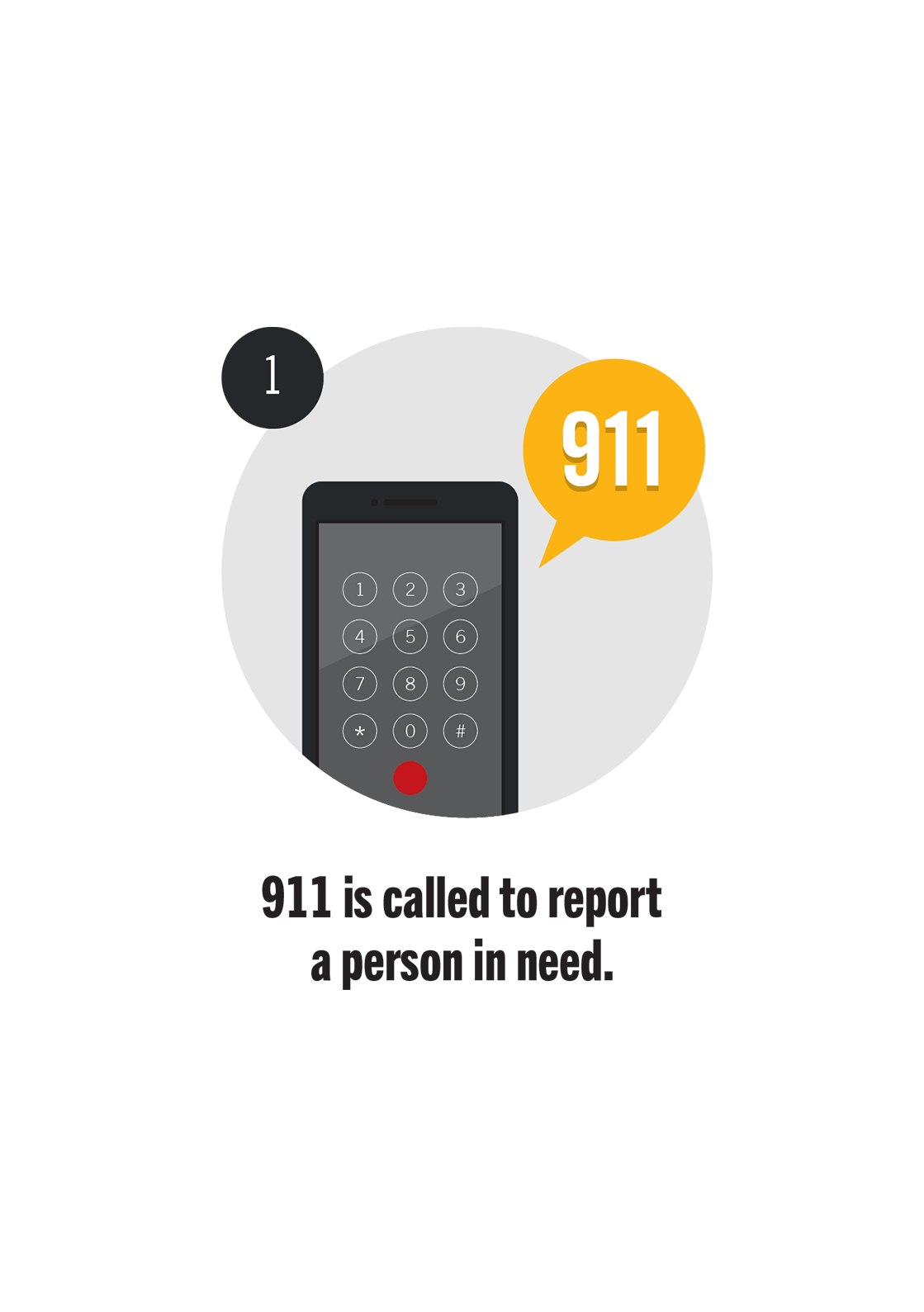

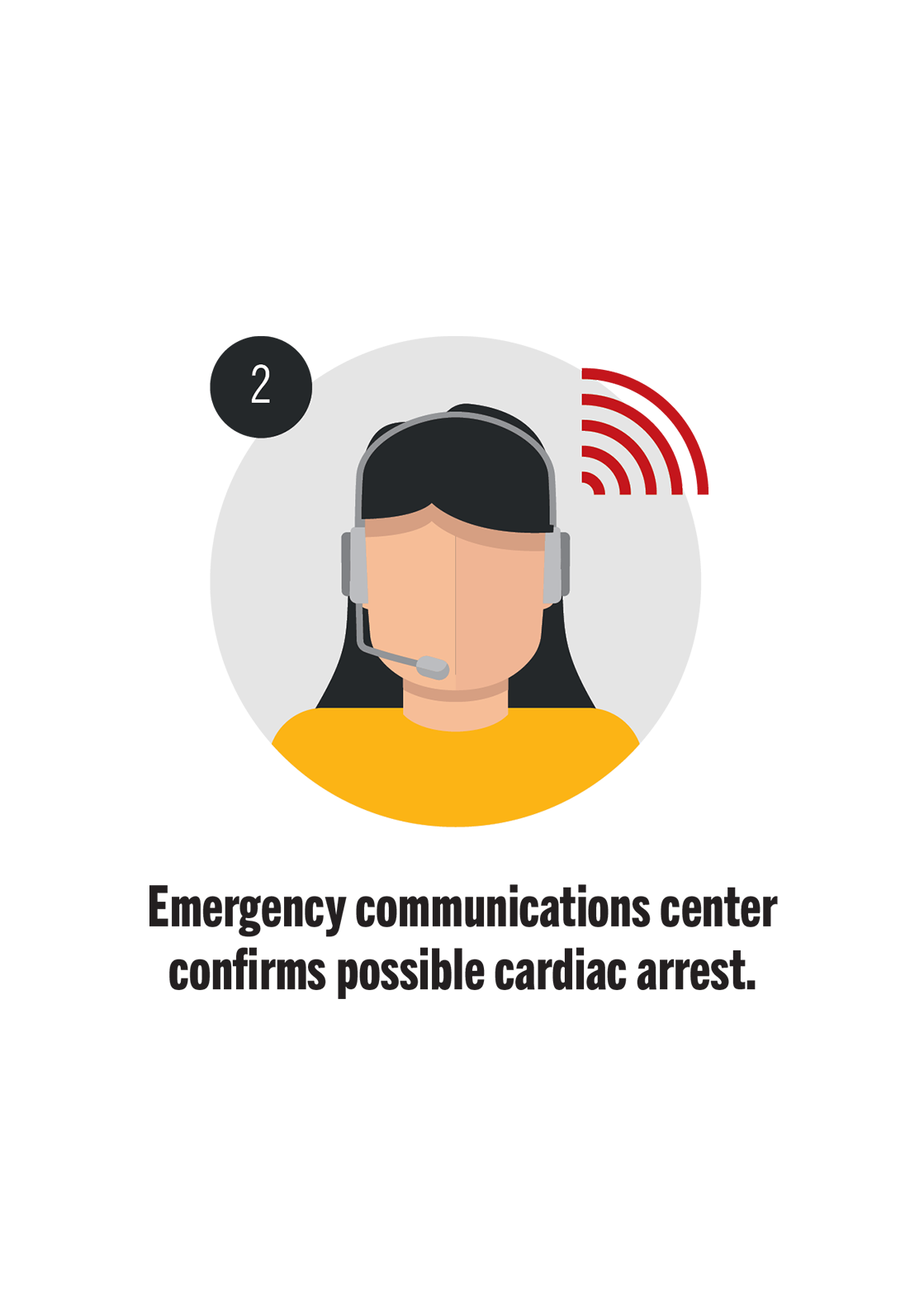

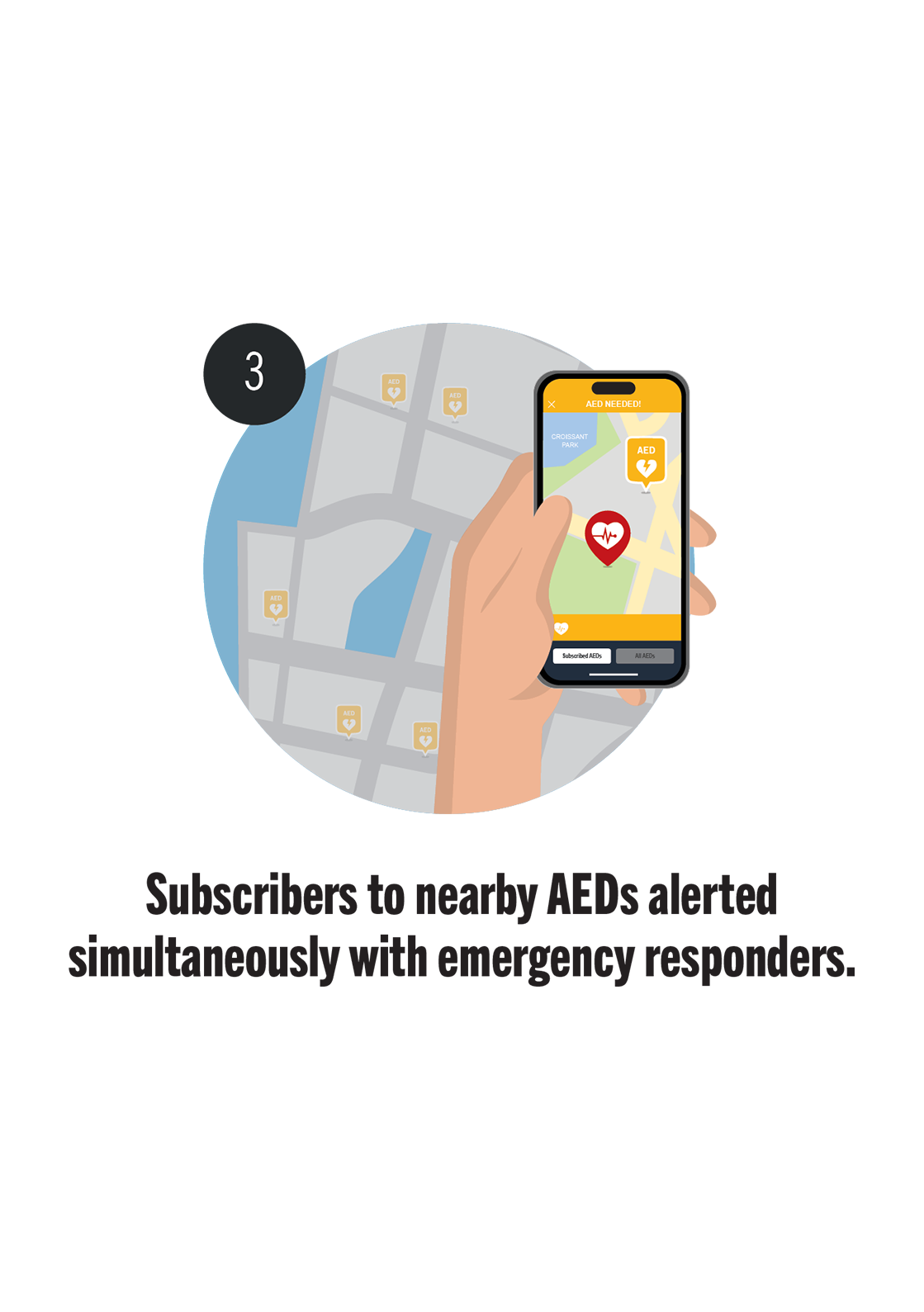

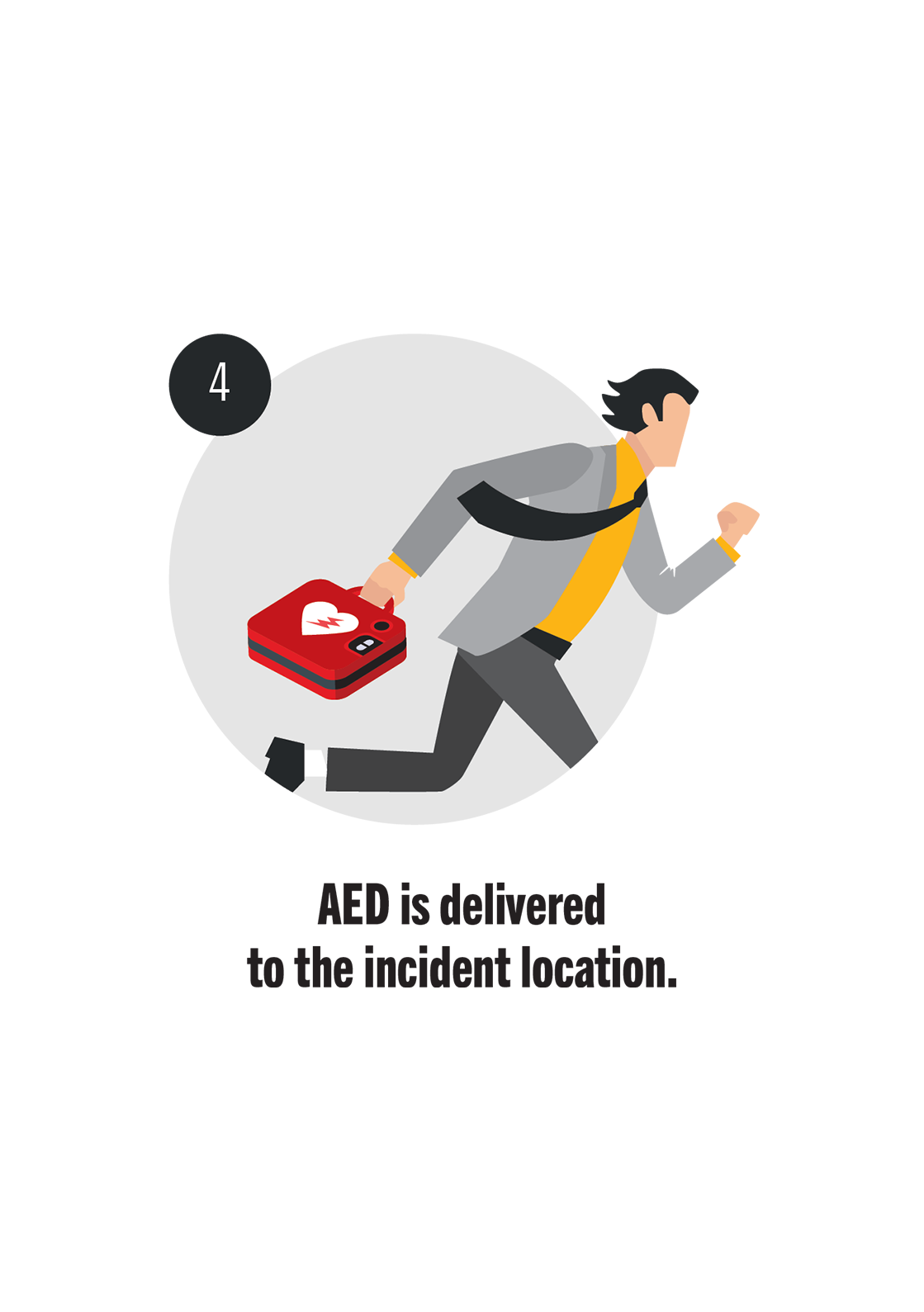


911-initiated AED Response
Activate AED-needed Alerts
Responsible parties can subscribe to receive alerts for their own devices by tapping the alert bell icon under the AED-needed Alerts heading in the summary screen.
Only registry-approved AEDs with a responsible party listed are eligible for AED-needed alert subscriptions.
911-initiated AED Response
Request AED-needed Alerts
Multiple participants, such as a neighborhood AED program or workplace safety team, can subscribe to a single AED.
Users who are not the listed responsible party for an AED, but who would have access to it in an emergency, can request alerts by tapping the Request AED-needed Alerts button.
A responsible party may authorize others to receive AED-needed alerts for a device they manage. These individuals should be known, trustworthy, and have physical proximity and access to the AED. Responsible parties receive an email when a subscriber request is initiated. The request can be approved or denied directly within the email, or in the NEAR Registry app. An approval can be revoked at any time.


911-initiated AED Response
Receiving an Alert
When a cardiac arrest occurs near a registered AED, subscribers to that AED receive an AED-needed alert requesting they deliver the device to the reported location. Subscribers can choose the type of alert they'll receive. Critical alerts override the Do Not Disturb setting on the device and play the alert sound even when the device is muted. Time-sensitive and normal alerts are also supported and can use Focus settings to temporarily silence notifications during certain periods or activities.
View street-level imagery of where the AED is needed with Destination View. Tap the Destination View thumbnail to view an interactive 360° daytime panorama of the destination address.
AED-needed alerts can be received on a phone, watch, or tablet.
911-initiated AED Response
Subscriber Testing
Responsible parties can independently test alerts with individual subscribers using the Send Test AED-needed Alert button. Subscribers must be signed in to the NEAR Registry app with Alerts On to receive a notification.
This feature allows subscribers to test their alert notifications and build confidence and familiarity with notification sounds and appearance. This testing can be conducted by the responsible party independent of the emergency communications center.


911-initiated AED Response
AED Subscriptions
RESPONSIBLE PARTY
Responsible parties can view the AEDs they manage from the Profile tab.
SUBSCRIPTIONS
Users can view their subscribed AEDs from the Profile tab. Tap an AED card to manage alert settings.
Note: AEDs in a user's watchlist are also accessible from the Profile tab. A watchlist is a user-defined collection of AEDs, allowing users to limit the display to devices of particular interest, such as those at their business or ones they inspect and maintain. Users can also view the resources they have added to the registry from the Profile tab.
911-initiated AED Response
Responder Survey
RESPONDER ACTIONS
Responders who receive an AED-needed alert are sent a post-event survey. The app-based survey gathers information about responder actions and offers follow-up resources.
SURVEY RESPONSES AND NOTIFICATIONS
Authorized agency personnel can view responses in PulsePoint Central for all suspected cardiac arrest events within their jurisdiction. Designated personnel can also receive notifications for key actions and reactions, such as whether CPR was performed, an AED was used, or psychological distress was self-reported.


